
Electroplating
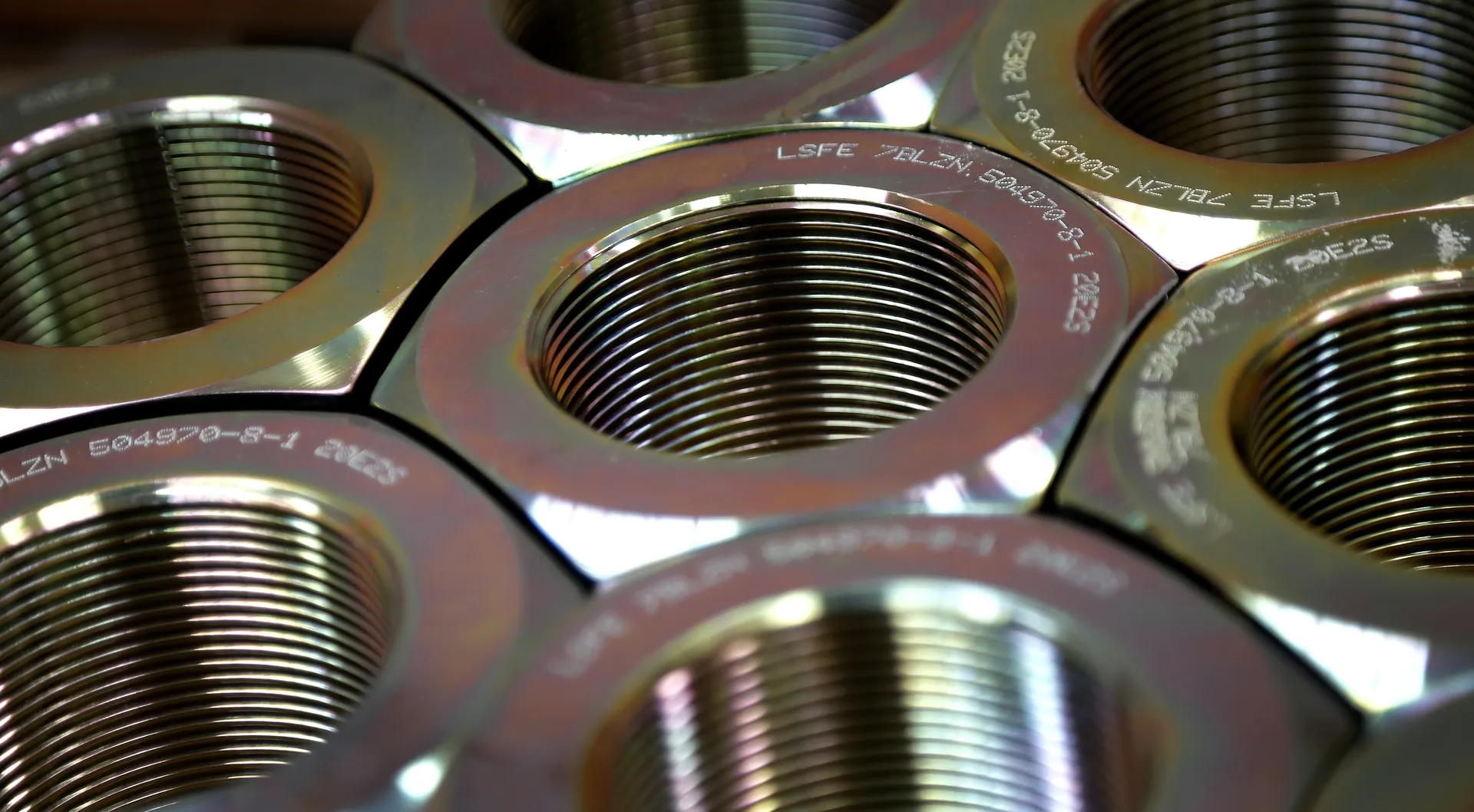
Electroplating uses an electric current to deposit a thin layer of metal onto a conductive object (the substrate).
This process enhances component properties such as resistance to abrasion and corrosion, lubricity, reflectivity, conductivity and overall performance within critical applications.
In-house electroplating for advanced protection
The LoneStar Group manufactures and supplies a broad scope of precision-engineered, high-integrity, approved and accredited components trusted to withstand the world’s most demanding environments. In these harsh settings, metal parts are subjected to extreme conditions where high heat, pressure, corrosive elements and load-bearing stress test their performance to the limit. In this context, electroplating a layer of more resistant metal such as Nickel, Zinc or Cadmium creates an extra protective barrier to extend the lifespan of components.
Electroplating, also known as electrochemical deposition, electrodeposition or electro galvanising, can be used to finish the surface of several metallic substrates, including steel, iron, brass, copper, and aluminium.
Parts must be electrically conductive for any electroplating finish to be applied. Here, parts ready for coating act as a cathode (negative electrode) of an electrolytic cell; the electrolyte is a solution of a salt whose positive ions are the metal to be coated and the anode (positive electrode) is typically either a block of that metal or of some inert conductive material. Current is provided by an external power supply.
The corrosion protection afforded by the electrodeposited layer is primarily due to the anodic potential dissolution of plating metal versus iron (the substrate in most cases). The plating metal acts as a sacrificial anode to protect the iron (steel). Additionally, electroplated articles may receive a topcoat to further enhance corrosion protection and friction performance.
Electroplating finishes
Available electroplating finishes include, but are not limited to:
Zinc
Zinc protects components with a sacrificial protective layer that shields the primary component underneath. Zinc coatings also improve the aesthetic finish of base metals with a bright silver/blue appearance. Coating thicknesses range from 5um to 25um. Additional topcoats can provide a minimum of 120 hours of salt spray exposure to ASTM B117.
Zinc-nickel
This process involves co-electrodepositing zinc and nickel on components. Zinc-nickel plating can be passivated to further improve corrosion resistance. The plated coating consists of up to 16% nickel. Considered superior in many applications when compared to standard zinc plating. This non-toxic protective layer offers a minimum of 500 hours of salt spray exposure, but can go far beyond this level of protection by altering thicknesses and nickel content.
Cadmium
Cadmium coating is applied with a thickness of between 5 and 25µm. It has a corrosion rate that is one fiftieth of steel. This heavy metal element can provide significant performance benefits in lubricity, conductivity, corrosion-resistance and enhanced protection from corrosion of underlying and nearby base metals. Cadmium plating is limited to uses within aerospace, defence and marine environments.
Hydrogen embrittlement
Components with a tensile strength of over 1000 MPa are liable to hydrogen embrittlement and require a post-de-embrittlement and pre-stress relief during the electroplating process.
Contact our electroplating experts to discuss your requirements
We look forward to collaborating with you.