
Phosphating
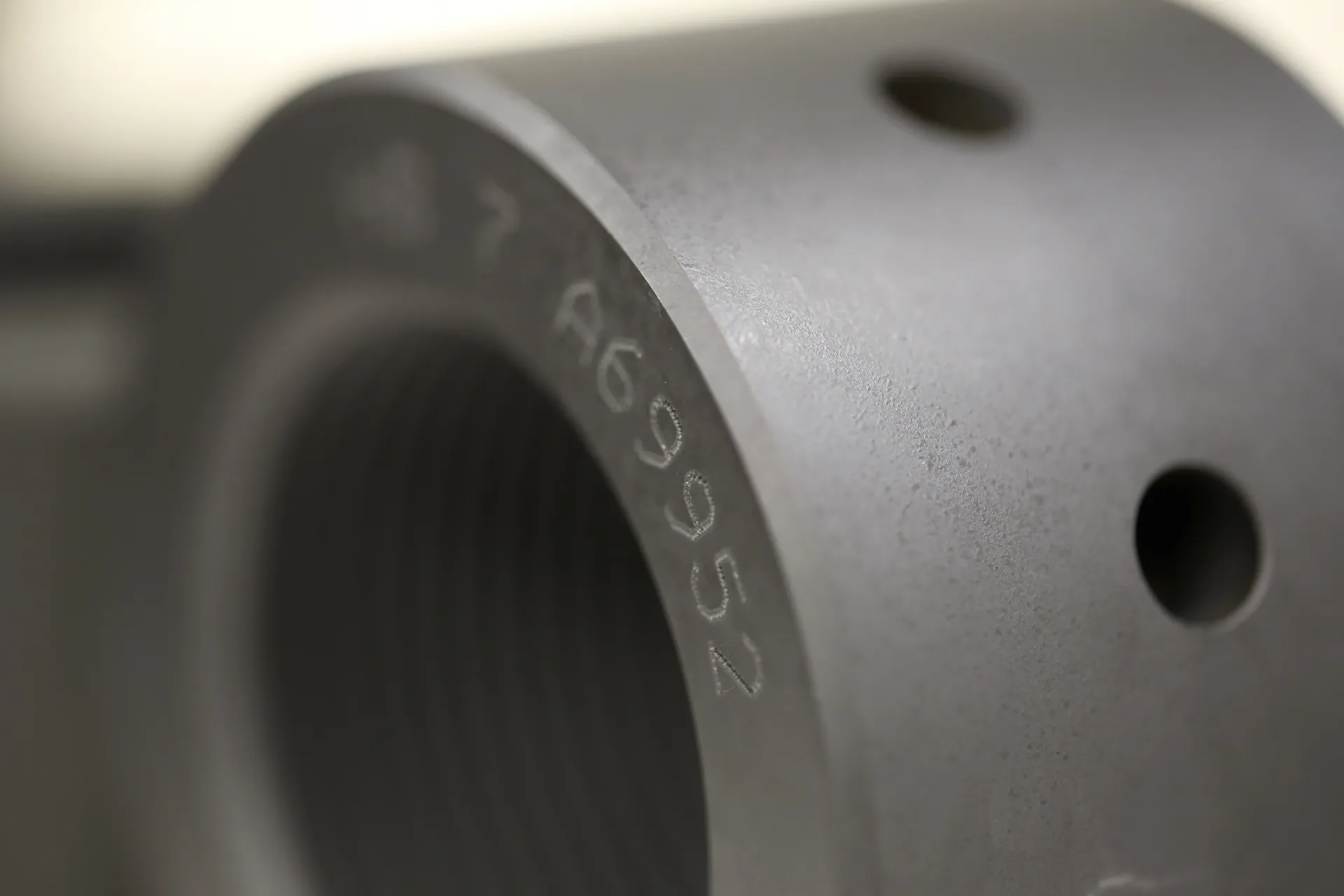
The LoneStar Group offers in-house phosphating to condition and protect high-performance parts, including fasteners, bolts, nuts, washers, fixings and other critical components.
This process improves corrosion resistance and can also be used as a pre-treatment for spray coatings to improve adhesion.
Durable, non-reflective, low-friction protection
Phosphating (or phosphate conversion coating) involves the immersion of ferrous parts and materials into a solution of phosphoric acid containing soluble iron, zinc or manganese salts to produce a dense microcrystalline surface on the coated component.
This durable, non-reflective layer of crystals increases corrosion resistance, enhances paint adhesion and prevents galling. Phosphated parts can be subsequently dipped in oil to achieve a well-lubricated, low-friction running surface that’s vital for the long-term performance of parts trusted in automotive, defence and critical-industry machinery, including oilfield connections.
The LoneStar Group offers three types of phosphating in-house
Iron phosphating
Protects against oxidation and increases paint adhesion/durability.
Zinc phosphating
This method increases the lubricity of parts and prepares them to effectively carry paint, oils, grease and waxes.
Manganese phosphating
This process offers the highest level of wear-resistance, particularly in metal-to-metal contact points. Manganese also provides excellent adhesion and electric isolation.
Technical details
- Class 1 heavyweight zinc phosphate offers the maximum level of corrosion protection
- Maximum part weight 500 KG
- Maximum part size 1m x 0.5m x 0.5m
Contact our phosphating experts to discuss your requirements
We look forward to collaborating with you.